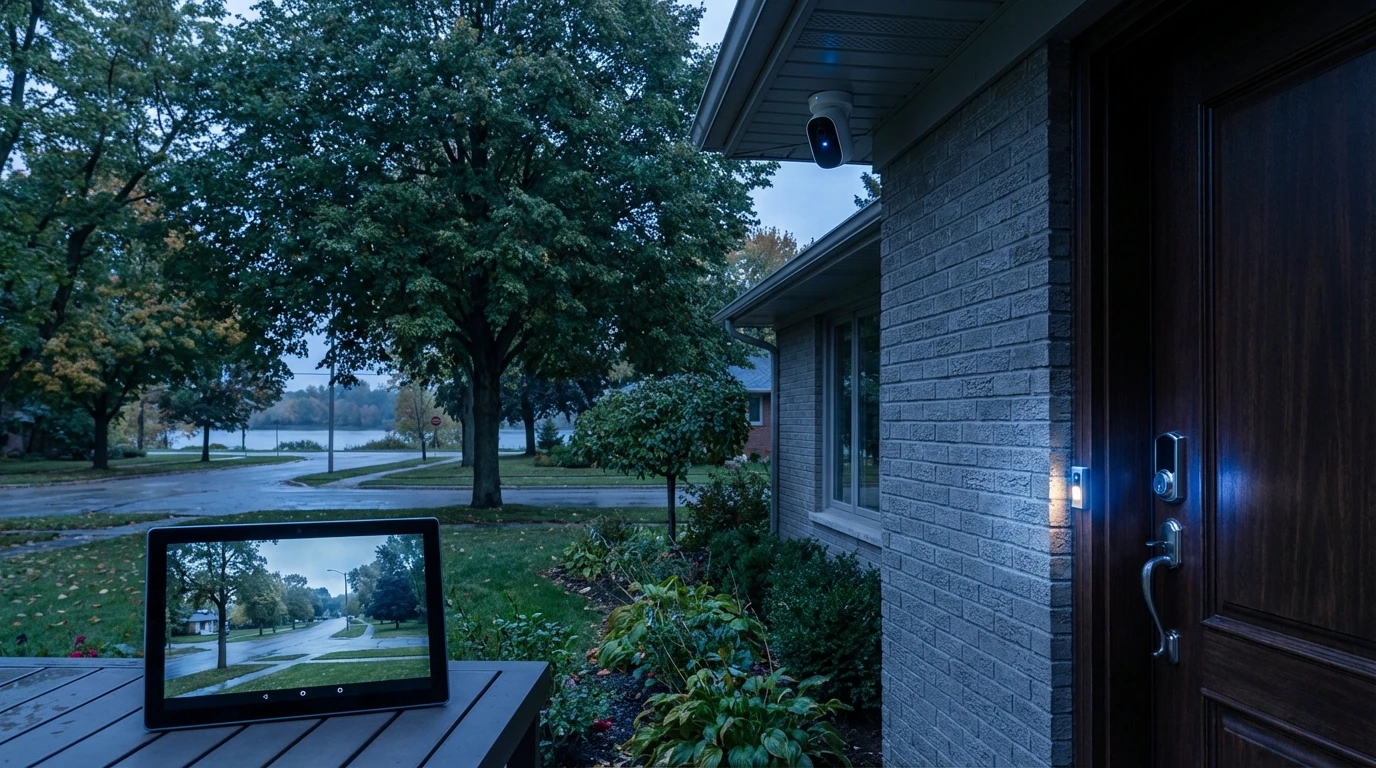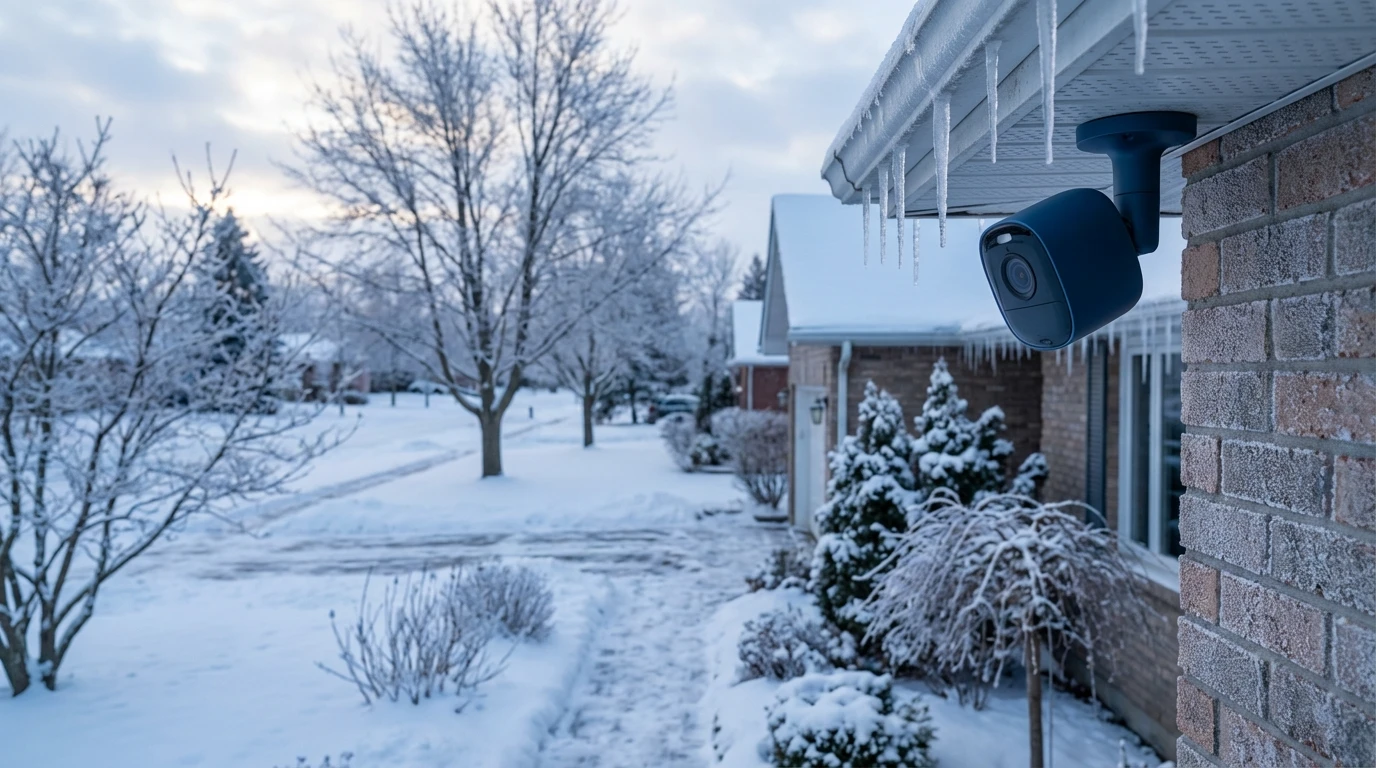
Imagine your business has two or more buildings – perhaps a main office and a warehouse, or multiple facilities on a campus. You need them all on the same network, sharing internet access and data seamlessly. Traditionally, this meant running cables underground or installing fibre-optic lines between structures – a costly and disruptive endeavour. However, wireless bridge solutions now offer a reliable, cost-effective alternative. Especially for business and property owners in Southwestern Ontario, wireless bridges can connect separate buildings with high-speed networking without the headaches of trenching or lengthy fibre installations.
The Need for Multi-Building Connectivity
Modern businesses often operate across multiple buildings or distant facilities on the same property. Connecting these buildings under one network is crucial for sharing internet, servers, security systems, and ensuring everyone has access to the same resources. In the past, connecting buildings meant physically laying network cables (copper or fibre) through trenches or overhead lines. This process is expensive, slow, and often impractical if obstacles like roads, parking lots, or waterways lie between buildings.
Wireless bridge technology solves these issues by creating an “invisible” Ethernet cable through the air using outdoor wireless transmitters and receivers. This allows for fast deployment of network links across any terrain without digging or stringing new cables.
Traditional Wired vs. Wireless Bridges: A Comparison
| Factor | Trenching & Fibre Cabling | Wireless Bridge |
|---|---|---|
| Up-front Cost | High cost due to excavation, permits, and materials. Tens of thousands for long runs. | Lower cost with minimal permitting and hardware installation. |
| Installation Time | Slow; often months due to construction and approvals. | Fast; usually deployed in days or weeks. |
| Maintenance | Expensive and disruptive if cables are damaged. | Minimal upkeep; easy to upgrade and relocate. |
| Security | Very secure but static and hard to adjust. | Encrypted with AES protocols; directional signals are difficult to intercept. |
| Reliability | Highly reliable if well installed. | 99%+ uptime with proper installation and alignment. |
Wireless Bridge Configurations
| Configuration Type | Description | Best For |
| Point-to-Point (PtP) | Connects two buildings directly. | Warehouses, remote offices, two-building sites. |
| Point-to-Multipoint | One central hub connects to multiple remote units. | Campuses, multi-building industrial sites. |
| Line-of-Sight (LOS) | Clear visual path between antennas required for best results. | Most outdoor installations for speed and stability. |
Bandwidth and Performance Summary
| Specification | Typical Value | Notes |
| Bandwidth | 100 Mbps to 1 Gbps+ | Depends on equipment and line-of-sight quality. |
| Latency | <5 ms | Suitable for real-time applications. |
| Operating Temperatures | -40°C to +70°C | Designed for Canadian climate. |
| Weather Resistance | IP65 or IP66 | Protected against rain, snow, and dust. |
| Uptime | 99% to 99.95% | With proper fade margin and professional installation. |
Common Use Cases for Wireless Bridges
| Use Case | Description |
| Warehouse-to-Office Connectivity | Connect inventory and admin systems seamlessly across properties. |
| Detached Outbuildings | Extend internet and LAN access to barns, garages, or remote buildings. |
| School Campuses | Link libraries, classrooms, and offices without disturbing campus grounds. |
| Industrial Sites | Provide real-time control and camera access across large, open environments. |
Wireless Bridge vs. Trenching ROI Overview
| Cost Factor | Trenching & Fibre | Wireless Bridge |
| Upfront Investment | $15-$35/foot plus permitting | One-time hardware and install cost |
| Downtime During Install | High | Minimal |
| Recurring Fees | Possible for leased fibre | None |
| Expansion Cost | High (requires new digging) | Low (add radios as needed) |
| Maintenance | Costly if cable damaged | Minimal |
| Upgrade Flexibility | Requires new fibre | Swap or add bridge hardware |
Why Choose Wireless Bridges in Southwestern Ontario
| Benefit | Wireless Bridge Advantage |
| Canadian Weather Durability | Devices rated for -40°C to +70°C with weather-sealed enclosures. |
| Cost Control | Avoids trenching, labour, permitting fees. |
| Deployment Speed | Ideal when fast rollout is required or trenching is not feasible. |
| Flexible Property Types | Works across farmland, business parks, and city centres alike. |
| Scalable for Growth | Easy to extend as your business or facility expands. |
Why Work with CE Tech
| Service Element | CE Tech Advantage |
| Local Expertise | Based in Southwestern Ontario; familiar with local terrain and regulations. |
| Professional Installation | Proper mounting, alignment, and encryption by trained technicians. |
| Site Survey Included | Every project starts with a detailed site evaluation. |
| End-to-End Support | We design, install, configure, and maintain your wireless network. |
| Real Client Satisfaction | Trusted by businesses across the region for performance and reliability. |
Ready to Connect?
If your business has multiple buildings and needs reliable, high-speed connectivity without the cost or hassle of fibre, a wireless bridge may be the perfect solution. CE Tech delivers secure, professional wireless bridge installations that connect your locations seamlessly. Whether you’re in London, Windsor, Sarnia, or anywhere across Southwestern Ontario, contact CE Tech today for a custom consultation and get your buildings online – quickly, securely, and affordably